How Much Does Blockchain App Development Actually Cost in 2026?

SA basic blockchain MVP with a single smart contract typically costs between $15,000 and $45,000 to build in 2026. A mid-complexity DeFi or tokenization platform runs $60,000 to $200,000, and a full enterprise blockchain solution with custom consensus logic and compliance layers can pass $250,000. The gap between those numbers comes down to network type, […]
Why Should Banks Partner with Fintechs? A 2026 Look at Open Banking and Neo Banking

Banks partner with fintechs because it lets them add digital capabilities such as open banking data sharing, faster lending decisions, and neo banking style app experiences without rebuilding their core systems from scratch. Deal activity backs this up. CB Insights recorded roughly 1,200 bank fintech partnership deals globally in 2024, a 35% jump from 2022, […]
How to Build a Crypto Exchange in 2026: Script, Custom Platform, or Development Partner?

Building a crypto exchange in 2026 comes down to three paths: license an existing crypto exchange script, hire a crypto exchange development company to build custom software, or combine both through a white label platform with custom modules. The right choice depends mainly on your budget, your compliance obligations, and how fast you need to […]
How Much Does MVP Development Really Cost for a Startup MVP?

A startup MVP typically costs between $10,000 and $150,000 to build in 2026, with most founders landing in the $25,000 to $80,000 range depending on platform, feature count, and whether AI features are involved (Agicent, 2026). Simple, single feature builds sit at the low end. Multi platform, AI enabled, or compliance heavy products sit at […]
Clone App Development in 2026: What Marketplace, Scheduling, and Crypto Exchange Founders Actually Need to Know

Clone app development means building a new product on a proven business model (ride hailing, appointment booking, peer-to-peer marketplaces, or crypto trading) using either a licensed script as a starting point or a custom-built version of the same core workflow. It’s faster than starting from a blank page, but the right choice depends on how […]
What Is the Digital Rupee (e-Rupee)? RBI’s CBDC Explained for 2026

The digital rupee, or e-Rupee (e₹), is India’s Central Bank Digital Currency (CBDC): a digital token issued directly by the Reserve Bank of India that carries the same legal tender status as a physical rupee note. It is stored in a user’s digital wallet and can be used to send, receive, or pay for transactions, […]
How to Choose the Right Crypto Token Development Company in 2026
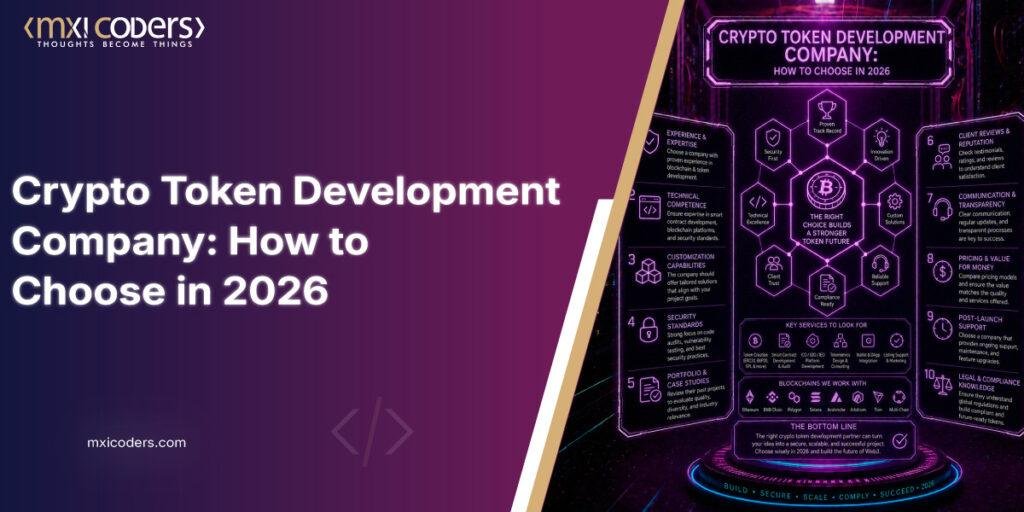
Choosing a crypto token development company comes down to five checks: clear tokenomics, a verifiable smart contract audit history, real multi-chain engineering depth, current regulatory awareness, and a transparent, itemized cost breakdown. Skip any one of these and you’re not saving money, you’re gambling with your project’s security and its legal standing. The token market […]
What Is Layer 2 Blockchain? Everything You Need to Know

As blockchain adoption grows, scalability has become one of the industry’s most pressing challenges. Networks like Ethereum can process only around 15 to 30 transactions per second, while payment giants such as Visa handle over 24,000 in the same time frame. During periods of high demand, gas fees on popular networks have spiked past $50 […]
Sustainable Real Estate Investing: What Blockchain and Green Certification Actually Deliver

Sustainable real estate investing combines two separate but connected forces: green building certification, which verifies a property’s environmental performance, and blockchain real estate tokenization, which digitizes ownership and automates compliance tracking. Together they’re changing how investors evaluate, finance, and hold property, backed by measurable rent premiums and falling transaction costs. ➤ Why does traditional real […]
Decentralized KYC (DKYC): How Digital Identity Verification Is Reshaping AML Compliance

Decentralized KYC (DKYC) is an identity verification model where a customer’s identity is checked and cryptographically signed once, then reused across multiple banks, exchanges, or platforms instead of being resubmitted from scratch each time. It shifts control of identity data away from a central database and gives the customer a portable, verifiable credential they hold […]
