Building a High-Performance Digital Banking & Crypto Platform
Enabled real-time transactions, secure asset management, and seamless integration of fiat, crypto, and card services in one system.
Platform Type : Hybrid ( Digital Banking + Crypto Exchange )


Client & Problem
The client was a fintech startup focused on building a unified platform that could combine traditional banking services with cryptocurrency functionality. Their target audience included retail users, crypto traders, and individuals seeking a simplified way to manage both fiat and digital assets in one place.
The main challenge was the lack of an integrated system capable of handling fiat accounts, crypto wallets, trading, and card services together. Existing platforms were either limited to banking or focused only on crypto, leading to fragmented user experiences.
From a technical perspective, managing real-time balance updates across fiat and crypto wallets was complex, especially during high transaction volumes. The client also needed to ensure bank-level security while maintaining system performance.
Additionally, the onboarding experience required simplification, as complicated workflows could result in user drop-offs. The platform also needed to support future integrations with financial APIs without requiring major system changes.
Strategy & Key Decisions
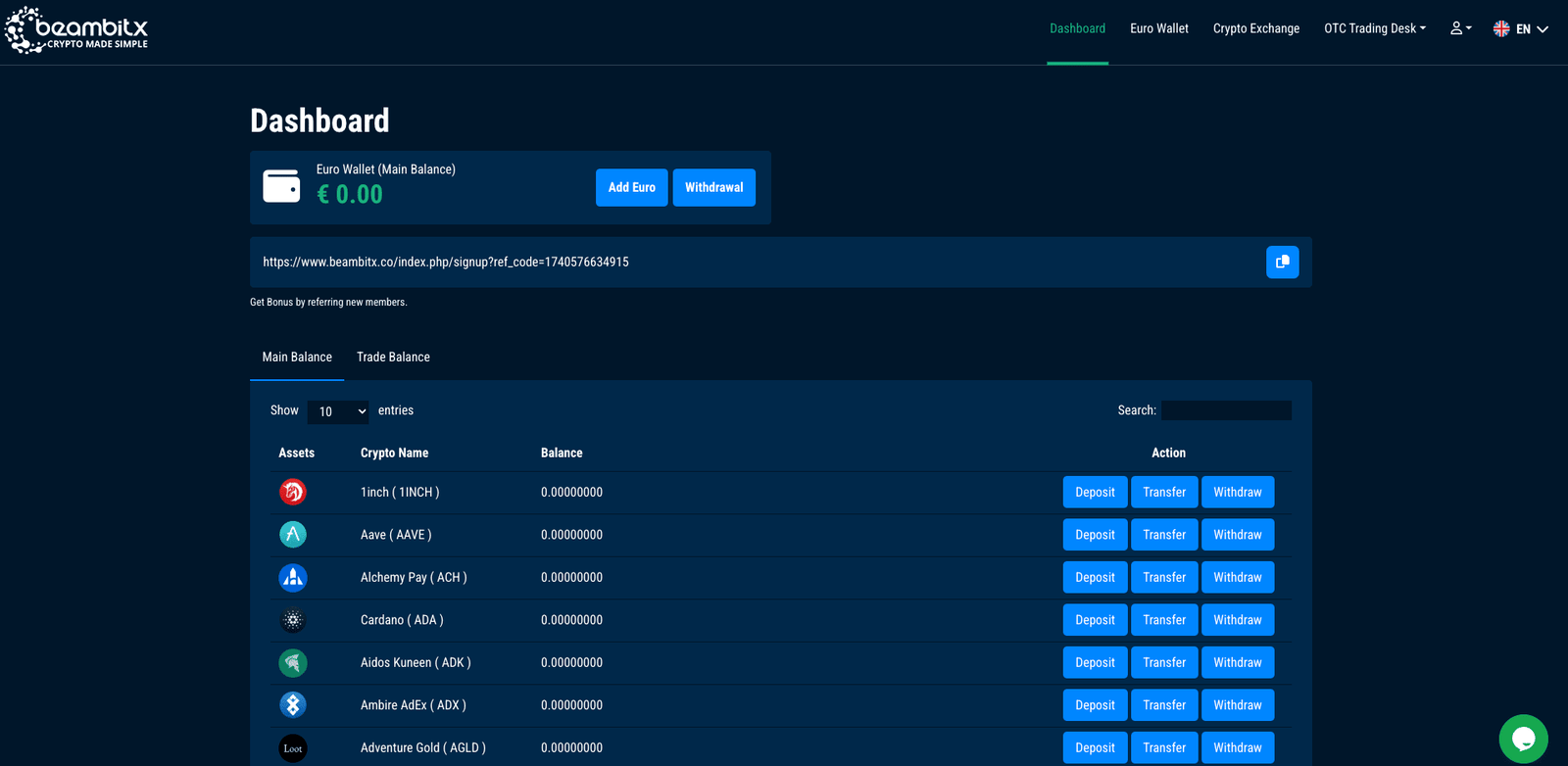
To address these challenges, a hybrid platform approach was adopted, combining digital banking infrastructure with crypto exchange capabilities. This allowed users to manage fiat and crypto transactions within a single system.
A key decision was to build a flexible architecture rather than relying on rigid or pre-built solutions. While white label crypto exchange platform development could have reduced initial development time, it would have limited customization and scalability. The client prioritized long-term flexibility over short-term speed.
Another important decision was implementing a modular system where each component; banking, wallets, exchange, cards, and commissions; operates independently. This reduced system complexity and allowed faster updates without affecting the entire platform.
The strategy also focused on simplifying user experience. Complex operations such as swapping assets and managing multiple currencies were designed to feel intuitive for end users.
Solution
The platform was built using a virtual integration layer combined with a modular backend architecture to ensure scalability and adaptability.
Key Features Included:
Virtual Integration Layer
A dedicated middleware layer was introduced to manage all external financial and cryptocurrency API integrations. This created a clear separation between third-party services and the core application, ensuring that changes or updates to external APIs would not directly impact the main system. As a result, the platform became easier to maintain, more stable, and flexible for future integrations, upgrades, and feature expansion.
Modular Architecture
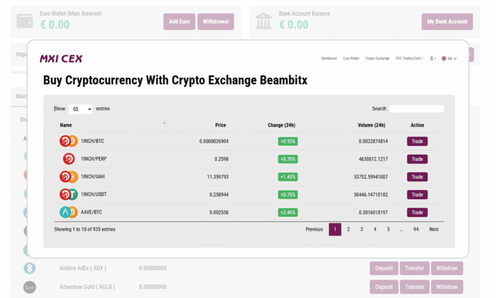
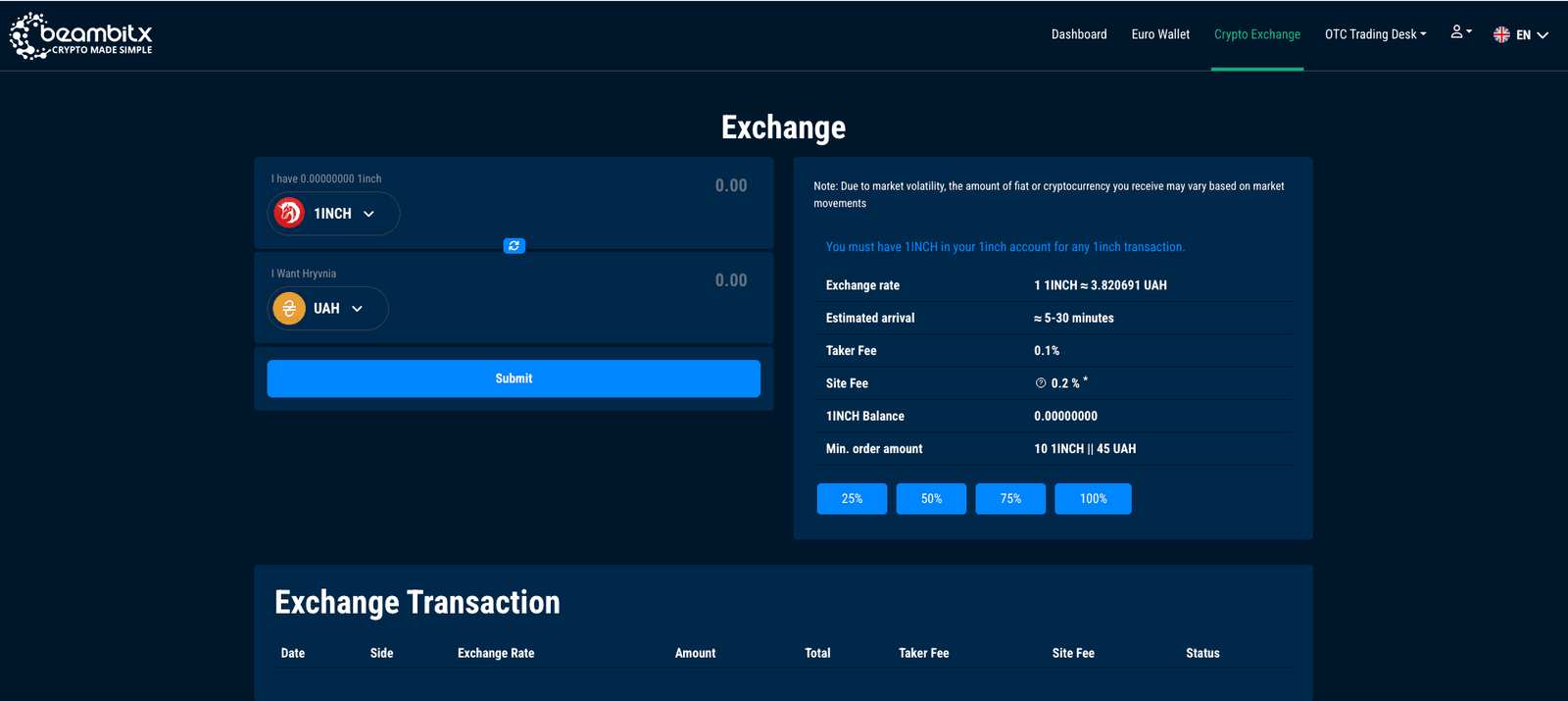
The platform included fiat and crypto wallets, buy, sell and swap functionality, virtual and physical card management, broker commissions, support for 200+ digital assets, OTC crypto trading, and multi-language support. A modular architecture improved performance, simplified debugging, and provided better scalability for future growth.
Trading Engine & Exchange Features
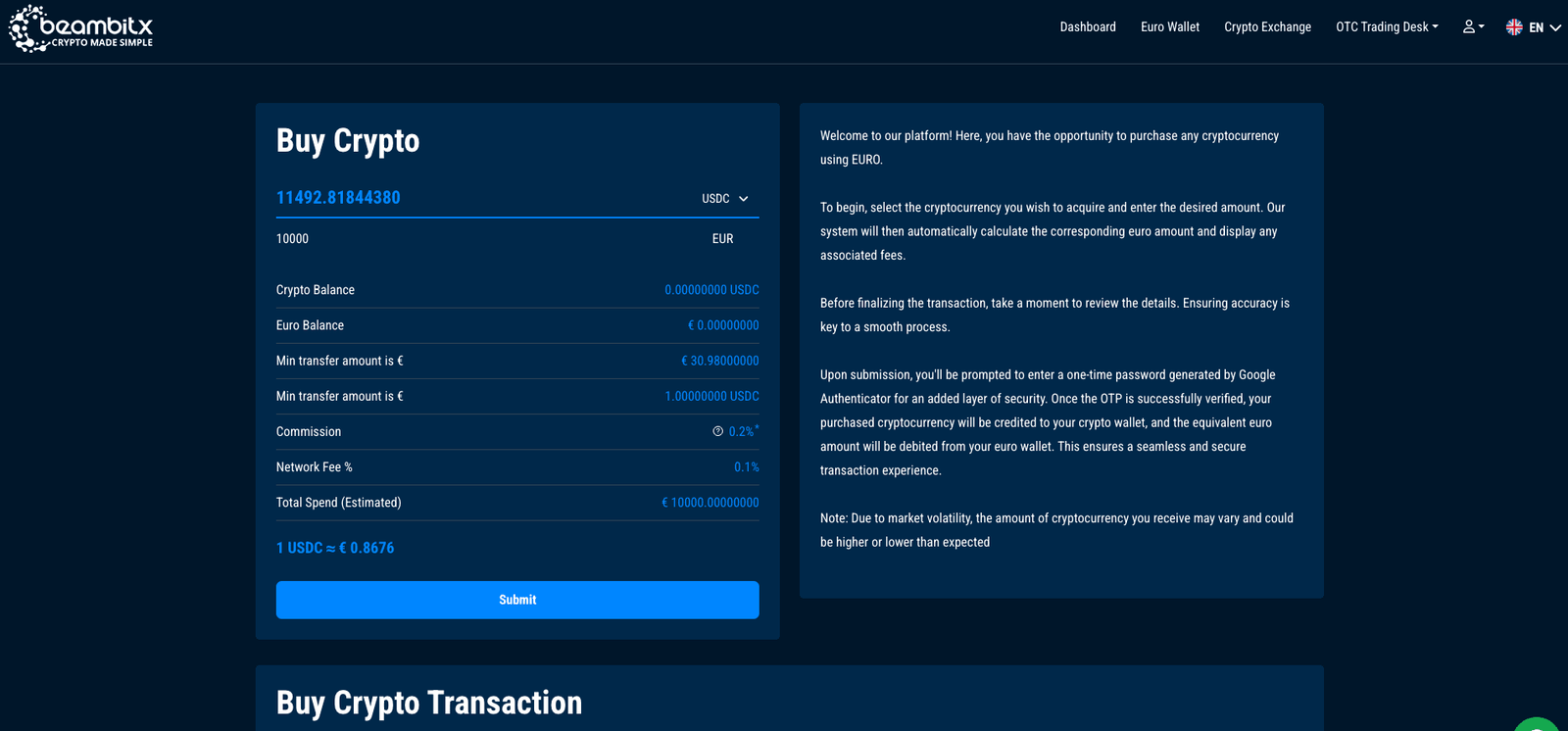
The platform includes a real-time trading system that allows users to buy, sell, and swap cryptocurrencies efficiently. Pricing accuracy and execution speed were optimized to ensure smooth transactions.
Wallet System
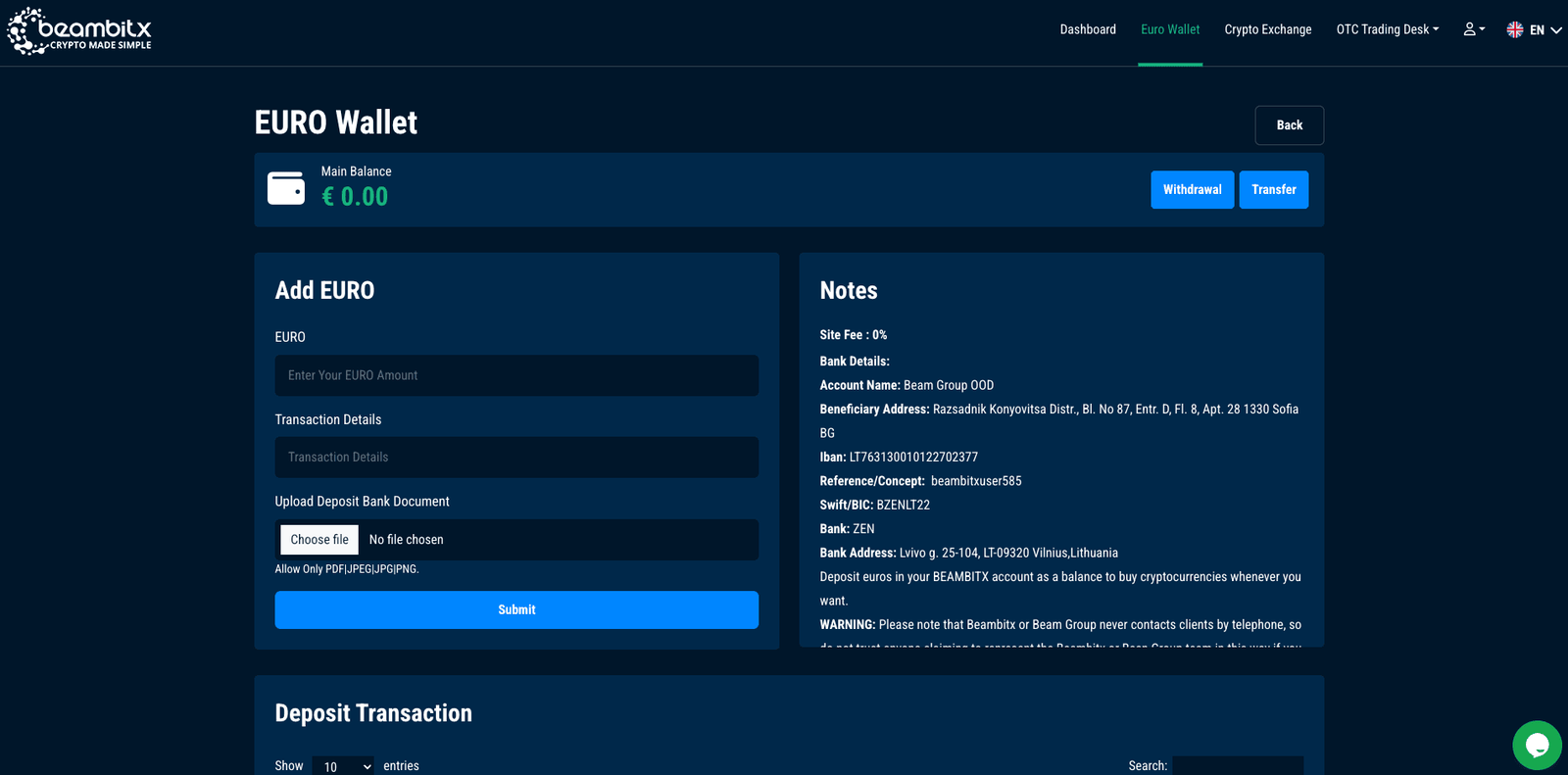
A secure wallet system was implemented to manage both fiat and crypto balances. Real-time synchronization ensures users always see accurate balances across all accounts
Security Implementation
Security was a core focus, with encrypted transactions, multi-layer authentication, and KYC/AML-ready onboarding to ensure safe and reliable financial operations.
Admin Panel
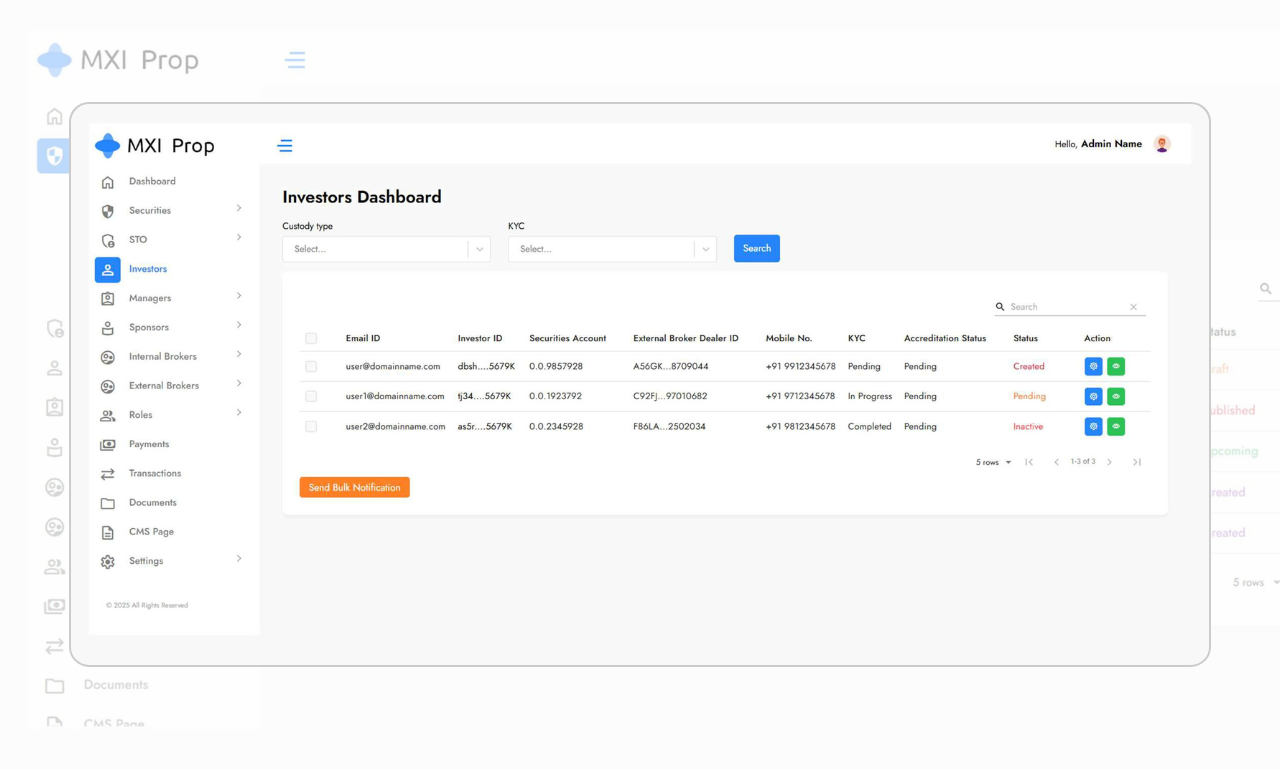
An advanced admin dashboard provides full control over users, transactions, commissions, and system activity, enabling efficient platform management.
Results
The platform successfully delivered a unified financial ecosystem, combining banking and crypto operations into one seamless interface
Key outcomes include;
- Unified financial operations– Enabled users to deposit, withdraw, trade and manage assets without switching between multiple systems.
- Improved transaction reliability– Real-time balance updates ensured accuracy across fiat and crypto wallets, enhancing user trust.
- High transaction handling capability– Built to efficiently support large transaction volumes while maintaining consistent system performance.
- Enhanced user experience– Simplified complex financial processes into an intuitive interface, reducing onboarding friction and improving engagement.
- Future-ready scalability– Modular architecture allows easy integration of new features and financial services without disrupting existing operations.
- On-time delivery– The complete platform was developed and deployed within the planned timeline, ensuring faster time-to-market.
Together, these outcomes established a reliable, scalable foundation for long-term growth in both banking and crypto operations.
Key Takeaways
One key insight from this project was the importance of flexible architecture in financial platforms. Systems designed for adaptability can scale and integrate new services more efficiently.
Another takeaway was the need to balance security with usability. Strong protection measures must be implemented without compromising user experience.
Finally, modular development proved essential for managing complexity. It allowed independent scaling of features while reducing the risk of system-wide issues.
Ready to build your own digital banking or crypto platform?
Let’s turn your idea into a scalable solution; connect with our experts today for a free consultation.

Ashok Rathod
Business consultant & Tech saviour who had served 5000 founders globally in past 25 years.