Best All-In-One JHA Software for Workplace Safety Teams
AI Powered Job Hazard Analysis Software for Workplace Safety Managem
Mxicoders’ job area hazard analysis software brings hazard identification, risk scoring, task documentation, and compliance reporting into one system. Built for speed and accuracy, it’s designed as the best all-in-one JHA software for safety teams of every size.
AI-Driven Hazard & Risk Insights
Smart Automation for Daily Safety Documentation
Real-Time Worker Engagement Tools
Customizable, Scalable Platform
Book free consultation
Let’s build your idea together and serve society.
- Your information is 100% secure and confidential.


Smart JHA Management Software Solutions – Mxicoders
Running safety operations means juggling hazard checklists, worker sign-offs, and compliance records all at once. Our jha management software brings these together on one screen, so safety officers aren’t switching between five different tools just to close out a single job hazard analysis. From a small contracting crew to a large industrial facility, the system adjusts to how your worksite actually operates, not the other way around.
Job Area Hazard Analysis Software. Complete Solution Suite
Our job area hazard analysis software covers everything a modern safety team needs: digital hazard checklists, real-time risk scoring, worker sign-off tracking, and AI-based incident prediction. Instead of managing separate paper forms and standalone spreadsheets, safety teams get one connected system where every completed analysis updates compliance records instantly. Multi-site businesses benefit from centralized reporting, letting safety managers compare site-level hazard trends without visiting each location. Whether you’re running a single job site or operations across multiple regions, the platform scales without requiring a system overhaul, keeping safety practices consistent and easy to manage from day one.


JHA Software for Safety: How AI Transforms Daily Operations
AI quietly handles the repetitive parts of running a safety program. Hazard documentation gets faster with guided prompts and photo-based reporting, while risk scores update automatically as conditions change on site. Task scheduling adjusts based on hazard severity patterns, so crews aren’t sent into high-risk tasks without the right controls reviewed first. Worker communication becomes proactive too, with automated alerts for required sign-offs, training gaps, and near-miss follow-ups sent without manual effort. For any jha software for safety, this shift from manual tracking to automated operations means fewer missed steps, less time spent on admin work, and more time available for actually managing risk on the ground.

Get Expert Guidance at No Cost -
Connect with Us Today!
How Does Our JHA Software Work?
AI within a job area hazard analysis software system works by continuously analyzing hazard reports, task data, and incident history to spot patterns a manual review would miss. It predicts which tasks are likely to carry elevated risk, flags incomplete or overdue analyses, and suggests control measures based on historical outcomes. Scoring algorithms rank hazards by severity and likelihood, helping supervisors prioritize what needs attention first. Because the system runs on the cloud, safety managers can check completed analyses, open hazards, and worker sign-off status from a phone or tablet, whether they’re on the job site or managing safety programs remotely across multiple locations. This constant data processing is what separates a modern platform from a paper-based hazard log


Why Choose Our JHA Software?
Safety teams don’t need more features for the sake of having them, they need a system that actually reduces incidents and keeps documentation audit-ready. Our platform is built around that principle, combining automation, real-time visibility, and reporting that helps safety managers make decisions based on actual hazard data rather than guesswork.
Automation and Streamlined Safety Operations
Hazard logging, risk scoring, and sign-off reminders run automatically in the background, so field teams spend less time on paperwork and more time addressing real risks on site.
Enhanced Communication and Real-Time Updates
Supervisors and workers get instant alerts on unresolved hazards, pending sign-offs, and daily safety summaries, keeping everyone aligned without constant manual check-ins throughout the shift.
Comprehensive Reporting and Data-Driven Insights
Detailed hazard, incident, and compliance reports help safety leaders spot trends early, identify what's actually driving risk, and adjust procedures or training with confidence instead of assumptions.
Strategic Insight
Core Innovation
Seamless Connectivity
Custom Frameworks
Smart Contract Development & Audit
Code Assurance
Enterprise Blockchain Development
NFT Marketplace Development
All-in-One JHA Management Software
Our platform brings hazard identification, risk scoring, worker sign-offs, training tracking, and reporting into a single connected system. Instead of juggling separate tools for each function, safety teams get one dashboard that reflects everything happening across the site in real time, from a hazard flagged in the field to a completed sign-off in the office.


Job Site Safety Management Made Easy
Running daily safety operations gets significantly easier when hazard data, sign-offs, and training records live in one place. Safety managers no longer need to manually reconcile paper JHA forms against compliance binders, since the system updates automatically with every completed analysis. This reduces the chances of missed hazards and gives a clearer, real-time picture of what’s actually happening on site. For growing operations, this kind of centralized visibility is often the difference between reacting to incidents after they happen and catching hazards before they affect worker safety or project timelines.
White-Label JHA Software Solutions
For businesses that want their own branded platform, we offer white-label jha software solutions built on our core technology. Safety consultancies, EHS platform providers, and software resellers can offer a fully customized job hazard analysis system under their own name, without building infrastructure from scratch. This gives partners a faster path to market while retaining control over branding, pricing, and client relationships, all backed by a technically solid, tested platform running behind the scenes.

Construction & Contracting Firms
High-risk task volume and changing site conditions make automated hazard tracking and fast documentation essential for daily operations.
Manufacturing & Industrial Plants
Equipment-related hazards and repetitive tasks benefit from AI-driven risk pattern analysis and consistent reporting.
Oil, Gas & Energy Companies
High-consequence hazards and strict regulatory oversight require detailed, accurate record-keeping at every job step.
Who Uses JHA Software?

Multi-Site Facility Operators
Centralized reporting across locations helps safety managers compare site performance and manage corrective actions efficiently.
Utilities & Field Service Providers
Fast documentation and real-time hazard alerts are critical, making automated notifications especially valuable here.
Small Contracting & Trade Businesses
Smaller crews still benefit from simple, reliable hazard tracking without unnecessary complexit
Get Expert Guidance at No Cost -
Connect with Us Today!
JHA Software Trends in 2025
The workplace safety technology landscape is shifting fast, with cloud-based systems, mobile access, and AI-driven automation becoming standard rather than optional. Paper-based hazard logs are being replaced by digital workflows, and safety leaders increasingly expect real-time visibility into hazards and compliance from anywhere. As competition for safety performance grows, the gap between teams using modern jha software solutions and those relying on outdated paper systems is becoming more noticeable in both incident rates and audit readiness. Businesses searching for job area hazard analysis software are increasingly prioritizing platforms that combine regulatory alignment with modern automation features.
Smart AI-Based Risk Prediction
Systems now predict high-risk tasks based on historical incidents, site conditions, and hazard severity patterns automatically.
Mobile App for Supervisors & Crews
Complete hazard analyses, sign-offs, and reporting directly from a phone, without needing to return to the office.
Real-Time Hazard Tracking
Hazard status updates instantly as conditions change, removing the need for manual end-of-shift reconciliation.
Automated Sign-Off & Documentation
Digital sign-offs handle worker acknowledgment and supervisor approval without separate paper trails or manual filing.
Digital Reports & Regulatory Compliance
Automated OSHA-aligned reporting tools reduce the manual effort involved in staying audit-ready.
Cloud Backup & Security
Data stays protected and accessible even if local hardware fails or gets damaged on site.
Worker Training Integration
Built-in training records track certifications and refreshers directly within the hazard analysis system.
Crew Performance Analytics
Track hazard resolution and compliance by crew or supervisor to identify training needs.
Overdue & Incomplete Analysis Alerts
Automated notifications prevent skipped hazard checks and reduce risk from incomplete documentation.
Advanced Features of Our JHA Software
Beyond basic hazard logging, our platform includes AI-driven risk forecasting, multi-site synchronization, integrated training records, and detailed analytics, all built to help safety teams run leaner and more proactive safety programs.
How Organizations Benefit With Our JHA Software
Organizations using our system typically see measurable improvements from reduced incident rates, fewer documentation gaps, and better hazard visibility. Automated risk scoring prevents both overlooked hazards and redundant paperwork, both of which quietly drain safety budgets over time. Faster documentation means less downtime and better crew accountability, which translates into stronger safety culture. For businesses evaluating jha software solutions, the real value often shows up not in flashy features but in the cumulative reduction in incidents and admin time saved across hundreds of daily job hazard analyses.


Benefits of AI-Powered JHA Software
Cloud-based architecture means safety data stays accessible and backed up regardless of hardware issues at a single site. Automated hazard logging and sign-off tracking reduce the manual workload on supervisors, freeing them up for on-site safety oversight instead of paperwork. Real-time data across sites gives safety managers a clearer, more current picture of program performance than periodic manual audits ever could. Together, these capabilities make the case for why organizations increasingly view AI-driven systems as the best jha management software rather than a nice-to-have upgrade.
Our JHA Software Services
Enhanced Efficiency
Automated hazard logging and sign-off syncing cut down the manual work involved in daily safety operations significantly.
Improved Communication
Real-time alerts keep supervisors and crews aligned on open hazards, sign-off status, and pending tasks throughout the shift.
Better Decision-Making
Detailed hazard and incident reports give safety leaders the data needed to make procedure and training decisions confidently.
Increased Worker Accountability
Faster sign-offs and clear hazard documentation improve overall compliance for repeat job tasks.
Regulatory Compliance
Automated recordkeeping and reporting help organizations stay compliant without manual tracking of changing regulations.
Technology Stack Powering Our JHA Software Solutions
Our platform runs on secure cloud infrastructure designed for high documentation volumes without slowdowns during peak project hours. AI algorithms handle hazard forecasting, risk scoring, and training recommendations based on continuously updated site data. Security is built in at multiple levels, including data encryption, multi-factor authentication, and role-based access control, so sensitive safety and worker data stays protected. This technical foundation is particularly important for businesses evaluating jha software for large, multi-site operations, where documentation volume and multi-location data synchronization demand infrastructure that doesn’t buckle under pressure during high-traffic periods like major project rollouts or seasonal work surges.
Advanced Features Integrated into Our JHA Software Platforms
Smart Hazard Prioritization
Automated risk ranking based on task severity, historical incidents, and site-specific hazard patterns across all locations.
Predictive Incident Analytics
Forecast upcoming risk areas using historical data, helping safety teams plan controls and training more accurately in advance.
Automated Overdue Analysis Alerts
Instant notifications when hazard analyses are incomplete or overdue, preventing gaps before they impact site safety.
Integrated Sign-Off & Compliance Documentation
Automated worker acknowledgment and record generation built directly into the hazard analysis process for every task.
Secure Data Access
Role-based, encrypted access ensures only authorized personnel can view or edit sensitive hazard and worker records.
Multi-Site Data Sync
Real-time synchronization of hazard and compliance data across all job sites from a single dashboard.
Digital Records & Document Management
Paperless hazard analyses and easy access to historical records whenever needed for audits or inspections.
Built-in Training Tracker
Track worker certifications and training history to power targeted refresher scheduling and compliance alerts.
Crew Attendance & Scheduling
Manage shifts and track attendance directly within the same platform used for hazard documentation.
Contractor & Vendor Hazard Management
Streamlined onboarding and tracking of contractor hazard analyses directly within the system.
Customizable Reporting Dashboards
Build reports around the specific metrics that matter most to your safety program and site format.
Corrective Action Tracking
Configure and track hazard corrective actions directly tied to identified risks and completed analyses.
Why Choose Mxicoders:
Read Case studies
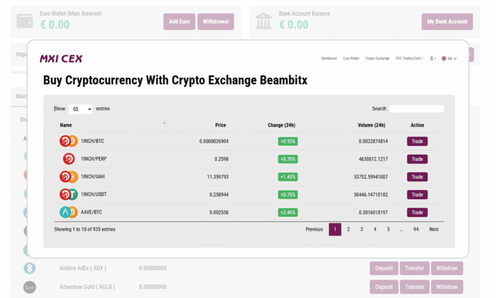
Building a High-Performance Digital Banking & Crypto Platform
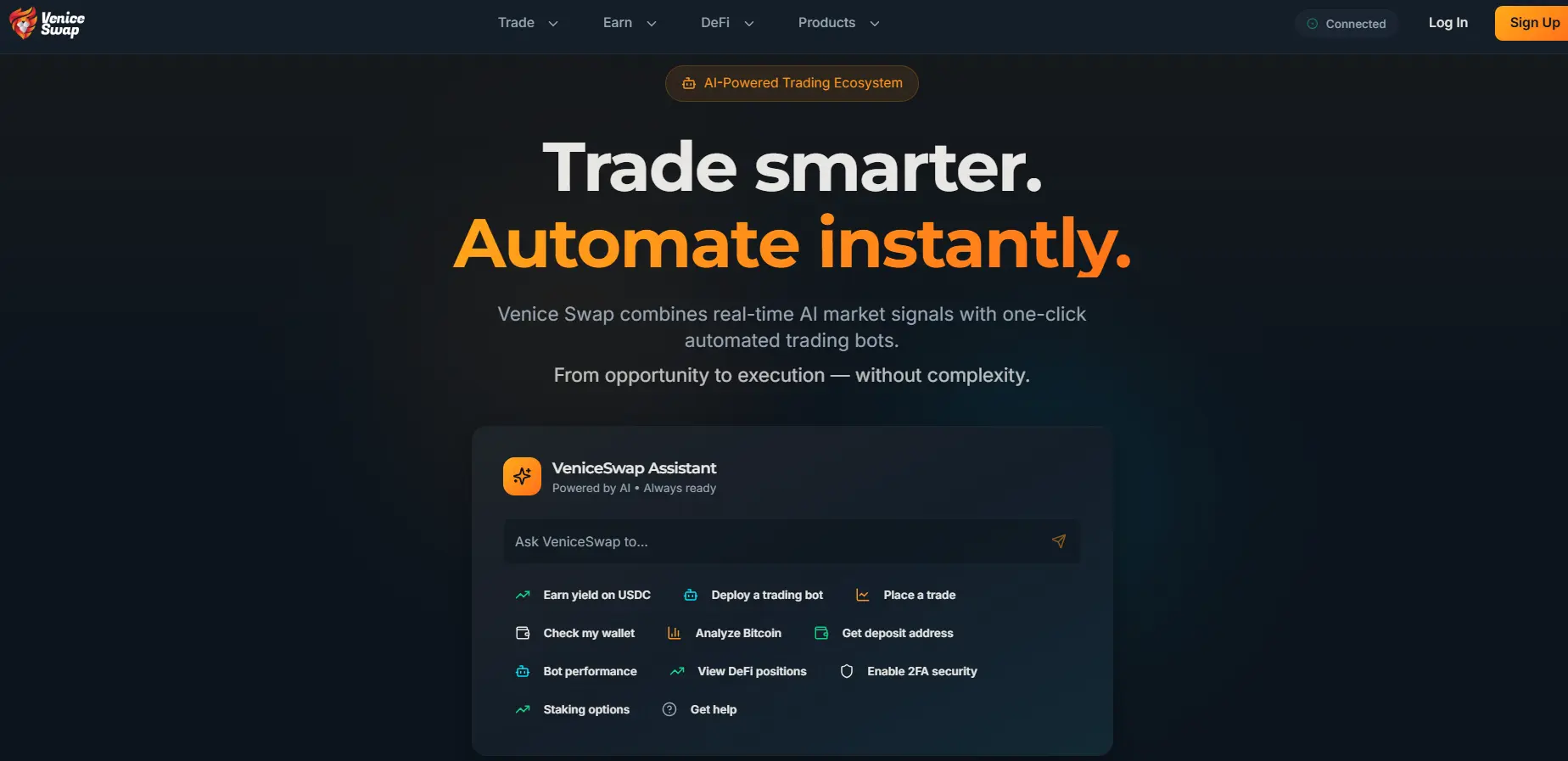
Creating a Secure Decentralized Exchange Platform for Digital Asset Trading

Creating a Fractional Real Estate Investment Platform Through Tokenization
Our Strategic JHA Software Development Process
Our development process starts with understanding your organization’s specific safety workflow, from field documentation to compliance complexity. This is followed by system design, focused development sprints, rigorous testing under real job site conditions, and ongoing maintenance after launch. Each phase is built to ensure the final platform actually fits how your safety team operates day to day, rather than forcing your crews to adapt to a rigid, one-size-fits-all system that doesn’t reflect real fieldwork.

Have a question? We have got the answers
Can’t find what you’re looking for? Drop us a line and we’d be happy to answer any questions you have.
What makes this the best all-in-one jha software for safety teams?
It combines hazard identification, risk scoring, sign-offs, and reporting into one system, removing the need for multiple disconnected tools.
Is this job area hazard analysis software compliant with OSHA requirements?
Yes, automated recordkeeping and reporting are built in to keep every analysis aligned with current regulations.
Can small crews use this system too?
Yes, it’s designed to scale down without losing core functionality, making it suitable for small contracting teams as well as large operations.
Does it support multiple job sites?
Yes, it works well as jha management software for multi-site businesses, syncing hazard data across locations in real time.
How long does implementation typically take?
Most single-site setups go live within a few weeks, depending on data migration and crew training needs.
Can I customize the reports I see?
Yes, dashboards and reports can be tailored to the specific metrics that matter most to your safety program.
Does the system work offline at remote job sites?
Yes, core hazard documentation continues offline and syncs automatically once connectivity is restored.
What devices are supported for field use?
Phones, tablets, and laptops are all supported directly within the same platform used in the office.
Are you experienced among established jha software solutions providers?
Yes, we’ve deployed systems across construction, manufacturing, energy, and multi-site industrial formats successfully.
What ongoing support is included after launch?
Regular updates, technical support, and system maintenance are included to keep safety operations running smoothly.