➤ What Is Smart Contract Development?
At its core, smart contract development is about writing code that runs on a blockchain. These programs automatically execute actions when predefined conditions are met no human intervention required.
➥ Definition of Smart Contracts
Smart contracts are self-executing programs stored on a blockchain that automatically enforce agreements between parties.
➥ Why They Matter in Modern Digital Systems
In a world where trust is often expensive and slow, smart contracts bring a refreshing twist trustless execution. You don’t need a middleman because the code itself guarantees outcomes.
➥ Key Characteristics
- Trustless Execution: No need to rely on third parties
- Immutability: Once deployed, they can’t be easily altered
- Transparency: Anyone can verify the code and transactions
➥ Real-World Analogy
Think of a vending machine. You insert money, select a product, and boom you get your snack. No cashier, no delays. Smart contracts work the same way, just in a digital environment.
➤ What Is Solidity and Why It Dominates Smart Contract Development
Definition of Solidity
The Solidity programming language is a high-level language designed specifically for writing smart contracts on Ethereum and other compatible blockchains.
➥ Why It’s the Primary Language for Ethereum-Based Development
Solidity has become the backbone of Ethereum because it’s purpose-built for blockchain logic. It’s optimized for writing secure, efficient contracts that run on the Ethereum Virtual Machine (EVM).
➥ Key Features
- Contract-Oriented Programming: Focuses on contracts as primary units
- Static Typing: Helps catch errors early
- Inheritance and Libraries: Encourages reusable, modular code
➥ Supported Platforms
While Ethereum is the main player, Solidity also works seamlessly on:
- Ethereum
- Polygon
- Binance Smart Chain
Also Read: Smart Contract Development – How Solidity Revolutionizes Blockchain Technology
➤ How Smart Contracts Work on Blockchain
Let’s break things down so it doesn’t feel like rocket science.
➥ Step-by-Step Execution Process
1. Writing Contract Logic in Solidity
Developers write the contract using the Solidity programming language, defining rules and conditions.
2. Compiling into Bytecode
The code is compiled into bytecode that the blockchain can understand.
3. Deployment to Blockchain
The contract is deployed to the blockchain via a transaction, making it live and accessible.
4. Triggering Functions via Transactions
Users interact with the contract by sending transactions that trigger specific functions.
➥ Role of Gas Fees and Network Validation
What Gas Is and Why It Exists
Gas is essentially the “fuel” required to execute transactions on Ethereum. Every action costs a small fee.
How Validators Execute Smart Contracts
Validators verify transactions and execute contract code, ensuring everything runs correctly.
Cost Implications for Developers
Poorly optimized contracts can get expensive fast. That’s why efficient coding is a must in any ethereum development guide.
➤ Key Benefits of Smart Contract Development with Solidity
Why is everyone jumping on this bandwagon? Let’s unpack it.
- Eliminates Intermediaries: No need for banks or brokers
- Reduces Operational Costs: Fewer manual processes
- Enhances Security: Deterministic execution reduces fraud
- Enables Automation at Scale: Perfect for repetitive tasks
- Global Accessibility: Anyone with internet access can interact
➤ Common Use Cases of Solidity Smart Contracts in 2026
Smart contracts aren’t just theoretical they’re already everywhere.
➥ Decentralized Finance (DeFi)
- Lending and borrowing platforms
- Decentralized exchanges (DEXs)
➥ NFTs and Digital Ownership
- Minting unique digital assets
- Automated royalty distribution
➥ Supply Chain Management
- Real-time tracking of goods
- Transparent verification of origin
➥ Gaming and Metaverse
- Ownership of in-game assets
- Play-to-earn ecosystems
The possibilities? Honestly, they’re just getting started.
➤ Step-by-Step Guide to Writing Your First Solidity Smart Contract
Ready to get your hands dirty? Let’s go.
➥ Setting Up Development Environment
- Install Node.js
- Choose an IDE like VS Code
- Use frameworks like Hardhat or Truffle
➥ Writing a Basic Contract
Here’s a simple example:
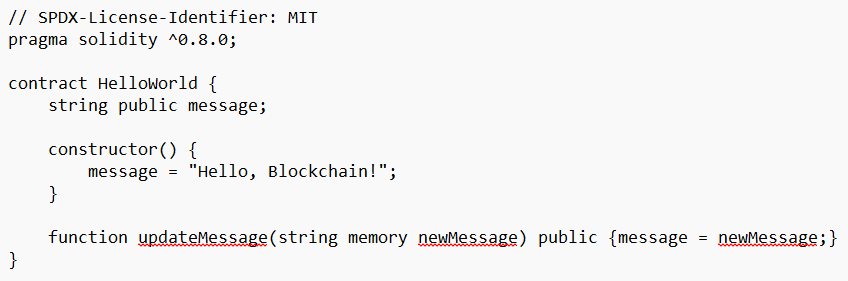
This tiny contract stores and updates a message simple, yet powerful.
➥ Compiling and Deploying
- Use Remix IDE or Hardhat
- Compile the contract
- Deploy it to a testnet like Goerli or Sepolia
➥ Interacting with the Contract
- Use web interfaces like Etherscan
- Or write scripts using Web3.js or Ethers.js
This is where your contract actually comes to life.
➤ Smart Contract Security Best Practices (Most People Get This Wrong)
Here’s the thing smart contracts are powerful, but they’re also unforgiving. One mistake can cost millions.
➥ Avoid Reentrancy Vulnerabilities
This is one of the most common attack vectors. Always update state before external calls.
➥ Use Audited Libraries
Leverage trusted tools like OpenZeppelin to avoid reinventing the wheel.
➥ Implement Access Control Mechanisms
Not everyone should have admin privileges use role-based permissions.
➥ Conduct Thorough Testing and Audits
Never skip testing. Seriously. Use both automated and manual audits.
➥ Keep Contracts Simple and Modular
Complexity is your enemy. Break logic into smaller, manageable pieces.
➤ Wrapping It All Up
The Solidity programming language has become the backbone of modern blockchain innovation, and for good reason. It powers everything from DeFi platforms to NFT marketplaces, making it an essential skill for developers in 2026.
Businesses are increasingly turning to smart contract development service providers to streamline operations, cut costs, and build trustless systems. And with the right approach guided by a solid ethereum development guide. Anyone can start building secure, scalable applications.
That said, smart contracts aren’t something to take lightly. They’re incredibly powerful, but one small bug can have massive consequences. So, tread carefully, test thoroughly, and always prioritize security.